
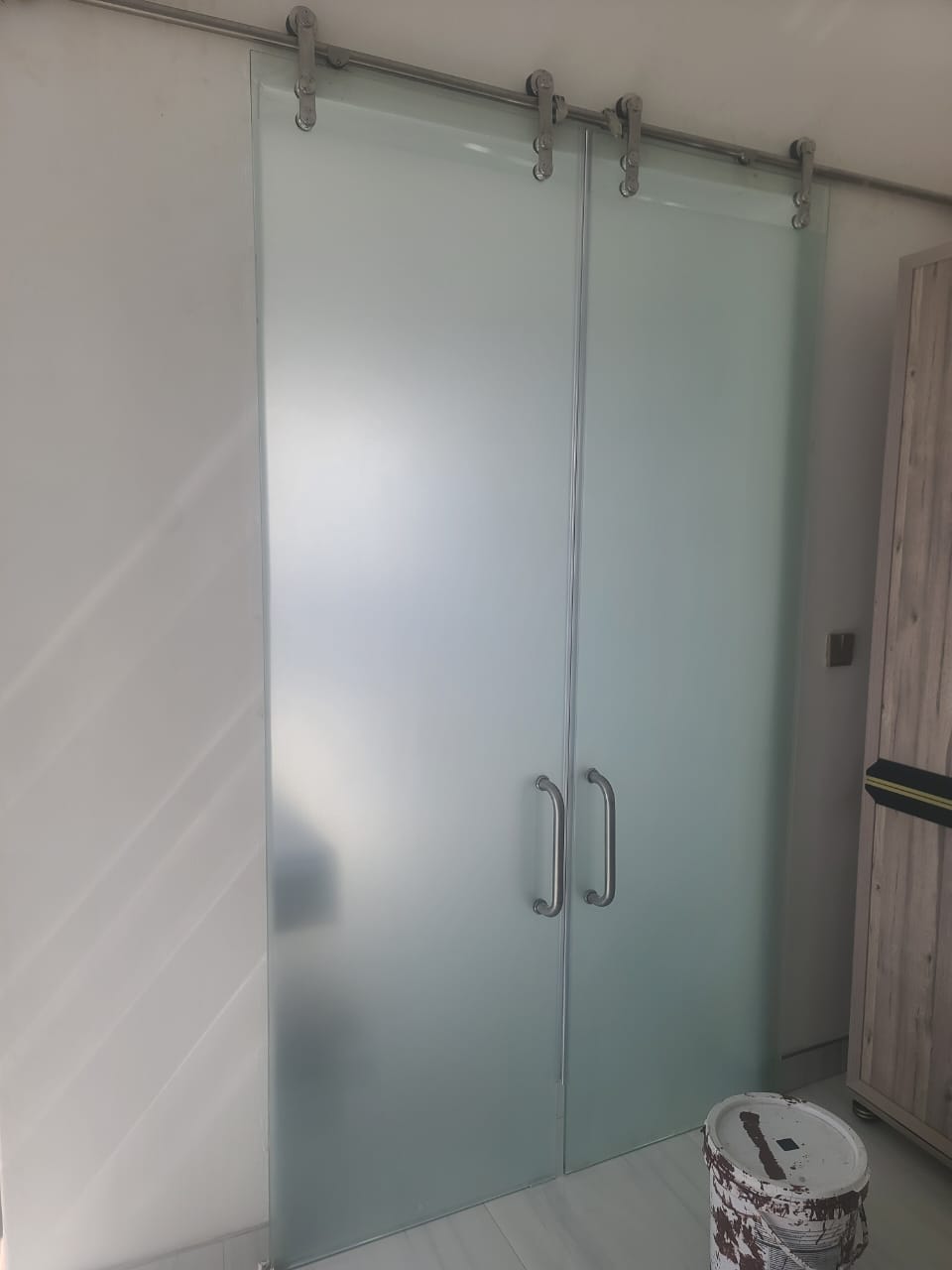
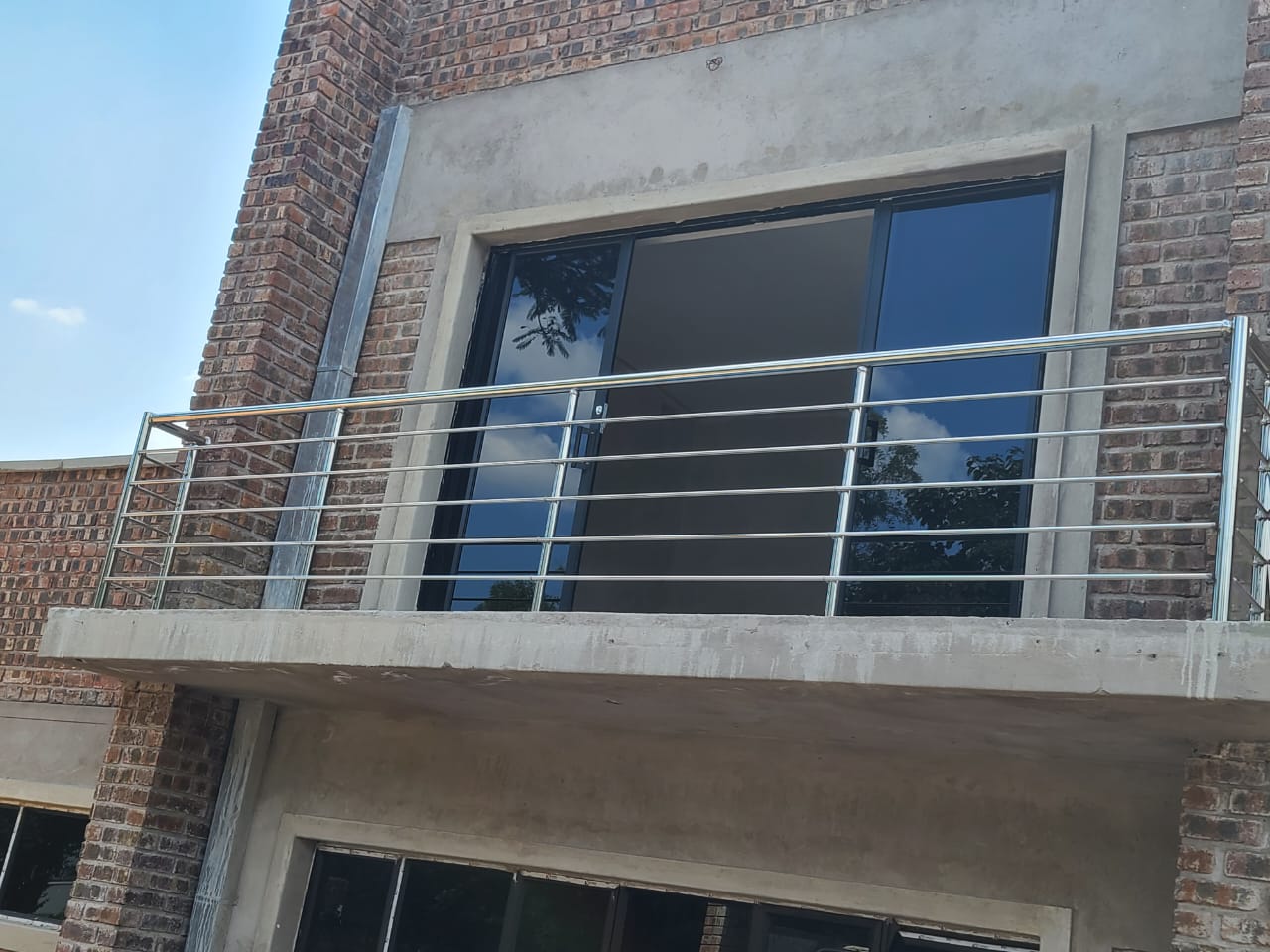
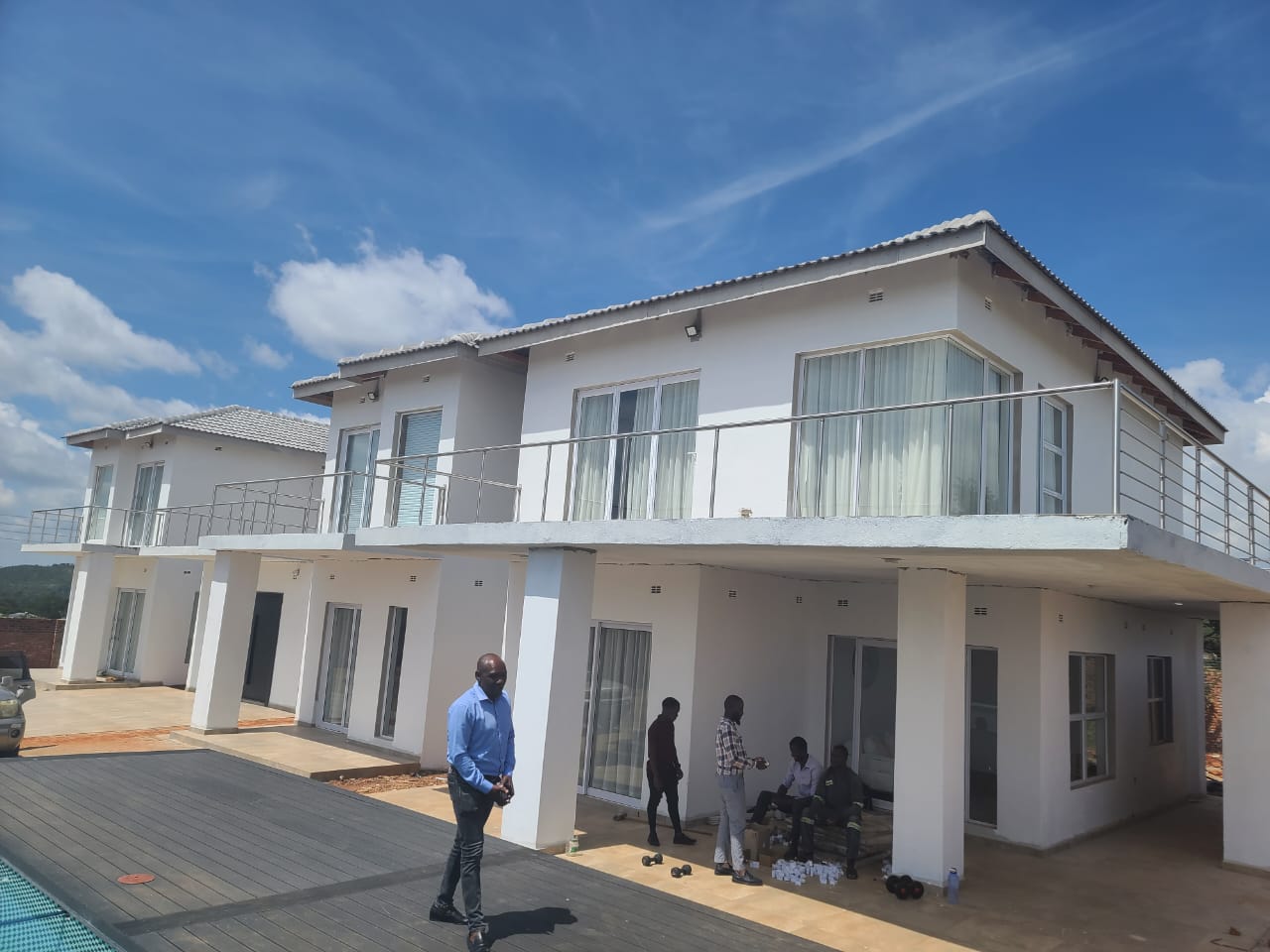
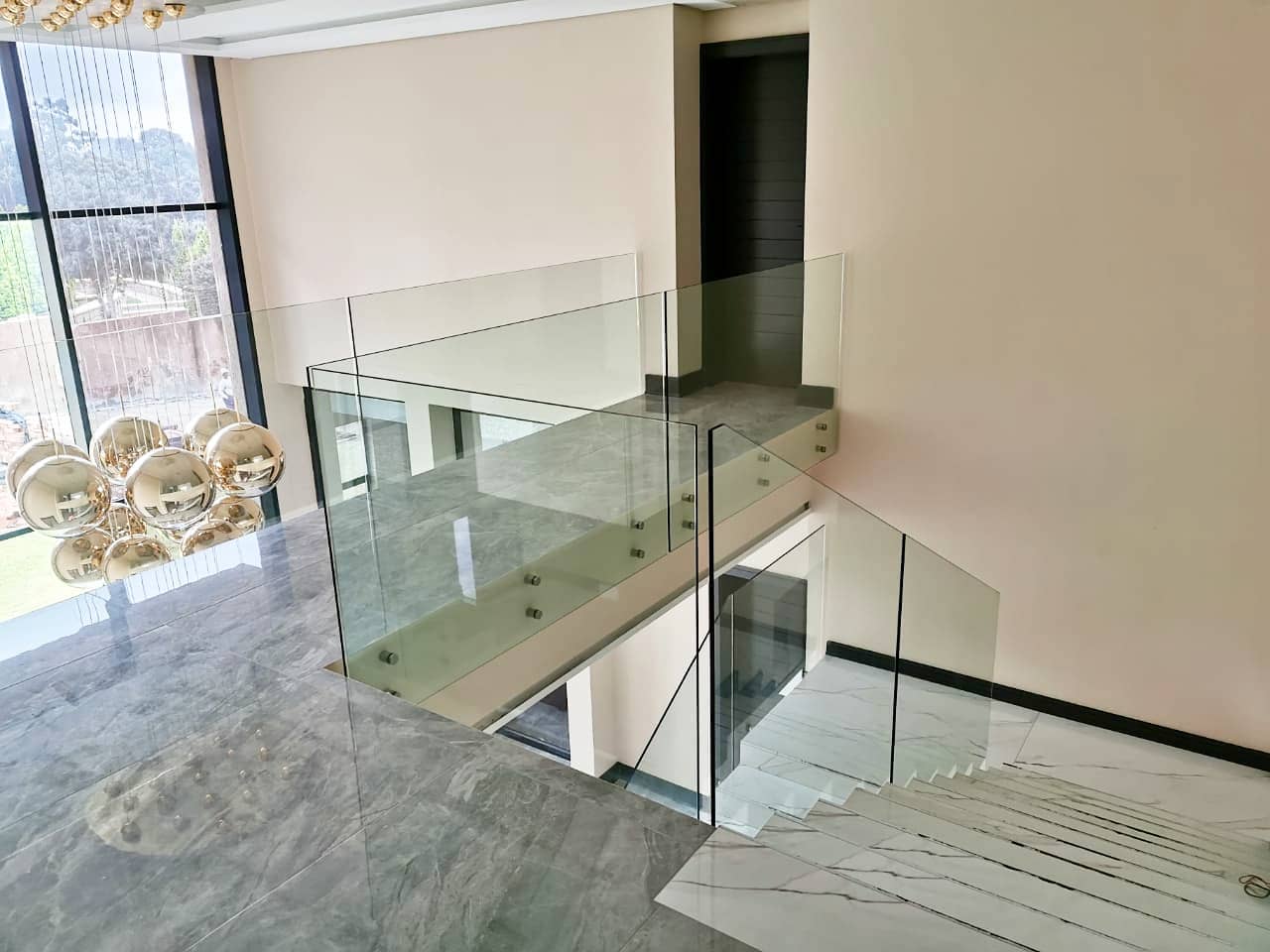
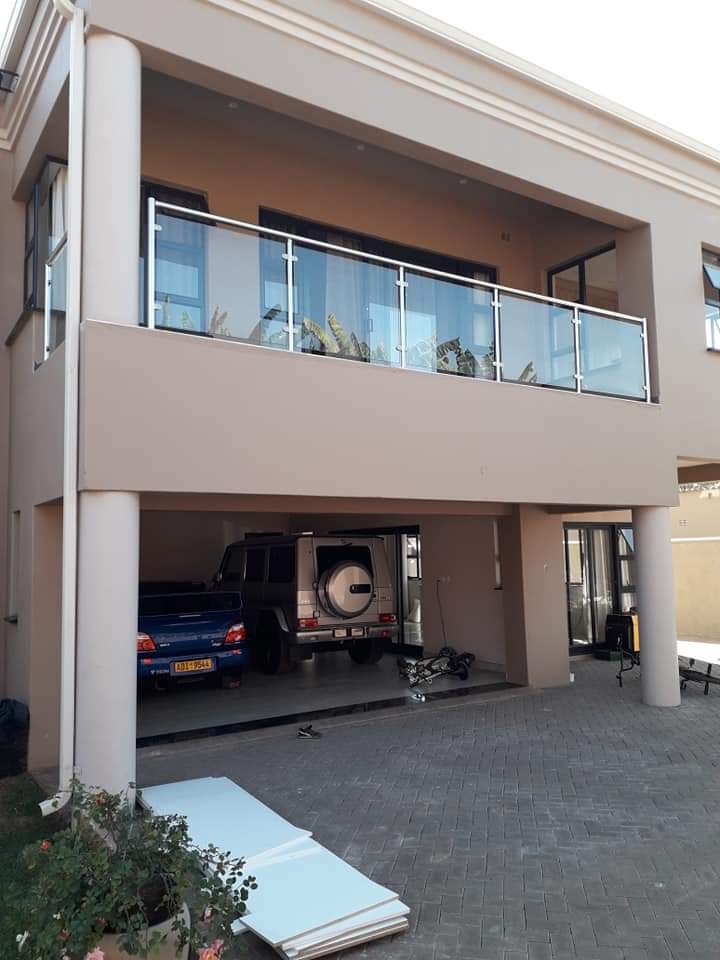
Doors are essential components in interior design, serving functional and aesthetic purposes. They come in various types and materials, each catering to specific needs. Hinged doors, the most common type, swing open and closed on hinges. Sliding doors move horizontally along a track, ideal for spaces with limited room. Folding doors consist of multiple panels that fold against each other, saving space. Pivot doors rotate on a central point, offering a unique and often contemporary design.
Partitions are stationary dividers that define and separate areas within a larger space. They play a crucial role in spatial organization and contribute to the overall design language of an interior. Fixed partitions are permanent dividers, while movable partitions provide flexibility in space utilization. Cubicles are partial partitions often used in offices to create individual workstations, and screens offer lighter separation without fully enclosing a space.
Doors and partitions are integral components of interior design, seamlessly blending functionality with aesthetics. Doors, ranging from hinged and sliding to folding and pivot designs, offer diverse solutions for entry, privacy, and style. Partitions, whether fixed or movable, contribute to spatial organization and design cohesion, providing flexibility and delineation within a larger space. Together, these elements shape the character of interiors, allowing for adaptability to various needs and design preferences.
Both doors and partitions play essential roles in interior design, influencing the layout, functionality, and aesthetic appeal of a space. They contribute to the overall design language, allowing for flexibility in configuring and adapting interior environments to different needs and preferences.
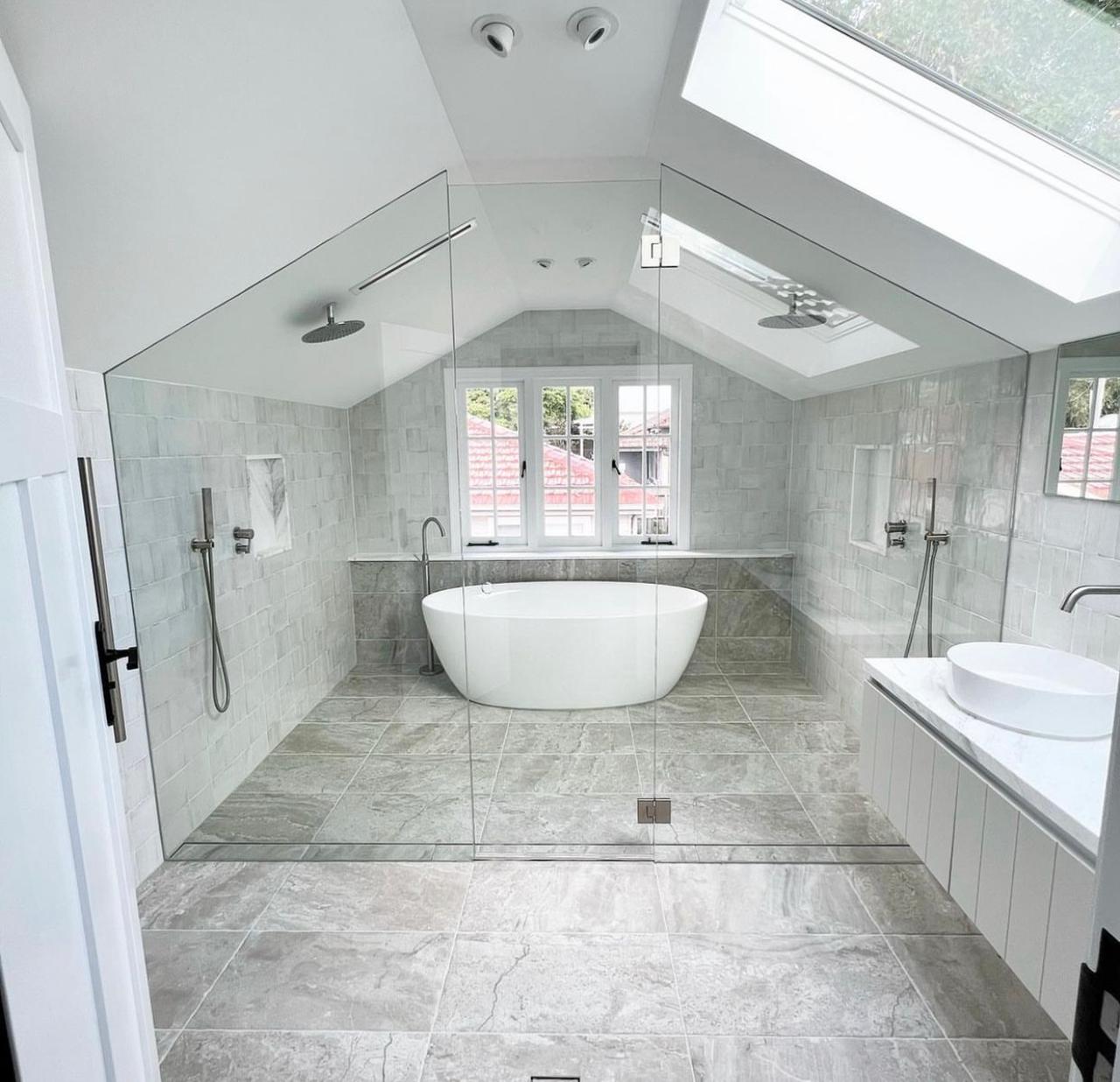
Glass partitioning and doors represent a modern and sophisticated approach to interior design. Glass partitions are stationary dividers made of transparent or translucent glass, offering an open and airy feel while defining separate areas within a space. These partitions contribute to a sense of expansiveness, allow natural light to flow through, and create a contemporary aesthetic.
Frameless stacking doors are a contemporary and stylish architectural feature that combines a sleek design with practical functionality. Unlike traditional doors, these doors are characterized by the absence of a visible frame, providing a seamless and unobstructed view. They are designed to open by stacking individual panels neatly against each other when fully opened, creating a wide and open transition between indoor and outdoor spaces. These doors are often used to maximize natural light, enhance visual connectivity, and create a sense of openness in both residential and commercial settings. Frameless stacking doors are a popular choice for spaces that want to blend the boundaries between indoor and outdoor areas, offering a modern and elegant solution for those seeking a fluid and flexible living or working environment.
Frameless folding doors are a contemporary and space-saving architectural solution that seamlessly connects indoor and outdoor spaces. These doors are characterized by their lack of a visible frame, providing a clean and modern aesthetic. The design typically features multiple panels that fold and stack against each other when the door is opened. The absence of a visible frame allows for unobstructed views and an open feel, enhancing the sense of space and providing a smooth transition between interior and exterior areas. Frameless folding doors are often used in residential and commercial settings where maximizing natural light and creating a fluid, open environment are priorities. They offer both functional flexibility and a sleek design, making them a popular choice for those seeking a contemporary and visually appealing door solution.
Retractable burglar bars are a versatile security solution for homeowners who prioritize both safety and flexibility. These bars can be extended to cover windows and doors when needed, providing an effective deterrent against intruders. When you desire an unobstructed view, simply retract them. Easy to operate and adaptable to changing needs, retractable burglar bars strike a balance between security and convenience. Unlike fixed prison-like bars, these retractable grilles allow you to maintain visibility while ensuring protection for your home. They slide on a track, enabling smooth opening and closing. So, whether you want to secure a doorway from the inside or protect your windows without compromising aesthetics, retractable security grilles offer a practical solution.
Trellis doors, also known as security grille doors or retractable security doors, are protective barriers designed to enhance security while maintaining visibility and ventilation. These doors are constructed with a lattice-like pattern of metal bars that can be extended or retracted, allowing for flexibility in use. When closed and locked, trellis doors provide a robust deterrent against unauthorized entry, acting as a barrier to potential burglars. The lattice design of trellis doors allows for airflow and natural light while ensuring a level of security, making them suitable for both residential and commercial applications. These doors are often installed in front of existing doors or windows as an additional layer of protection. The retractable feature allows users to easily open or close the door as needed, providing a balance between security and convenience.
Garage doors serve as the primary entrance to a garage, providing security and protection for vehicles and stored items. They are available in various styles and materials, offering homeowners a range of options to suit both functional and aesthetic preferences. Sectional doors, a common type, consist of horizontal sections that smoothly slide up and overhead, saving space in the driveway. Roll-up doors, with narrow horizontal slats rolling around a drum, are often found in commercial or industrial settings. Swing-out or swing-up doors, hinged on the sides or top, have a traditional appearance and open outward or upward. Slide-to-the-side doors operate by sliding along a parallel track, making them suitable for areas with limited headroom. Side-hinged doors swing open from the sides, similar to traditional entry doors, making them an option for garages with restricted ceiling space. Materials for garage doors include steel, wood, aluminum, and fiberglass, each offering different aesthetics, durability, and maintenance requirements. These doors may feature insulation for temperature control, windows for natural light, and various finishes to complement the overall design of the home. Garage doors play a crucial role in both securing the garage and enhancing the curb appeal of a property, making them a significant element in residential architecture.
Gates are functional and decorative barriers designed to control access and provide security for enclosed spaces. They serve a variety of purposes and come in diverse styles, materials, and designs. Swing gates, hinged on one side, operate similarly to traditional doors by swinging inward or outward. Sliding gates move horizontally along a track, making them suitable for areas with limited clearance. Rolling gates, with interconnected slats that roll up into a coil, are commonly used in commercial and industrial settings. Folding gates consist of multiple panels that fold against each other, offering a space-efficient solution for wider openings. Automatic or electric gates, equipped with motors, provide the convenience of automated operation for added security and ease of use. Gates can be crafted from materials such as metal, wood, vinyl, or a combination, each offering distinct advantages in terms of durability, security, and aesthetics. Regardless of their specific type or purpose, gates play a crucial role in controlling access, ensuring safety, and contributing to the overall design and functionality of a property.
Pergolas are outdoor structures that feature an open framework, often with a lattice roof, supported by vertical posts or columns. They are designed to enhance outdoor spaces, providing partial shade, defining an area, and adding architectural interest. Pergolas are commonly used in gardens, patios, or yards to create a visually appealing and comfortable outdoor living space. Aluminium works refer to structures, fixtures, or elements made from aluminium, a lightweight and durable metal. In the context of outdoor construction, aluminium is often utilized for various applications, including framing for doors and windows, railings, and pergola structures. Aluminium works are valued for their resistance to corrosion, low maintenance requirements, and versatility in design. When combined, pergolas and aluminium works create functional and aesthetically pleasing outdoor spaces. Aluminium is often chosen for pergola frameworks due to its strength and resistance to weathering, contributing to the longevity and visual appeal of the outdoor structure.